Scaling STEM: Designing for Digital Coherence
I partnered with a STEM school offering non‑traditional subjects to design online courses and LMS structures that communicated their learning philosophy and supported students entering at different grade levels

Context & Challenge
This school was developing a distinctive STEM programme built around non‑traditional subjects and an innovative pedagogical philosophy. As the school grew, they needed a way to communicate this philosophy to students and support learners joining at different grade levels — all through online courses integrated into an LMS.
The challenge was twofold:
translate a unique learning model into a digital format, and
ensure the LMS could support the curriculum’s structure, logic, and progression.
This required a careful balance between pedagogy, UX, and technical constraints.
My Role
My work focused on the intersection of curriculum design and digital delivery. I collaborated closely with the technical team to ensure the LMS could support the school’s learning model, and I designed online course structures that made the philosophy accessible, coherent, and usable for students.
Unlike other projects where I led operational alignment, this role centred on pedagogical translation, content architecture, and platform‑level decision‑making.
Understanding the Users
To design an effective online experience, I mapped the needs of three core user groups:
Students entering the school at different grade levels, each with varying levels of familiarity with the school’s approach
Teachers facilitating non‑traditional STEM subjects and needing clear digital structures to support them
The technical team building LMS features and workflows that aligned with the curriculum’s logic
The goal was to create a system that supported smooth onboarding, clear progression, and consistent understanding of the school’s philosophy.
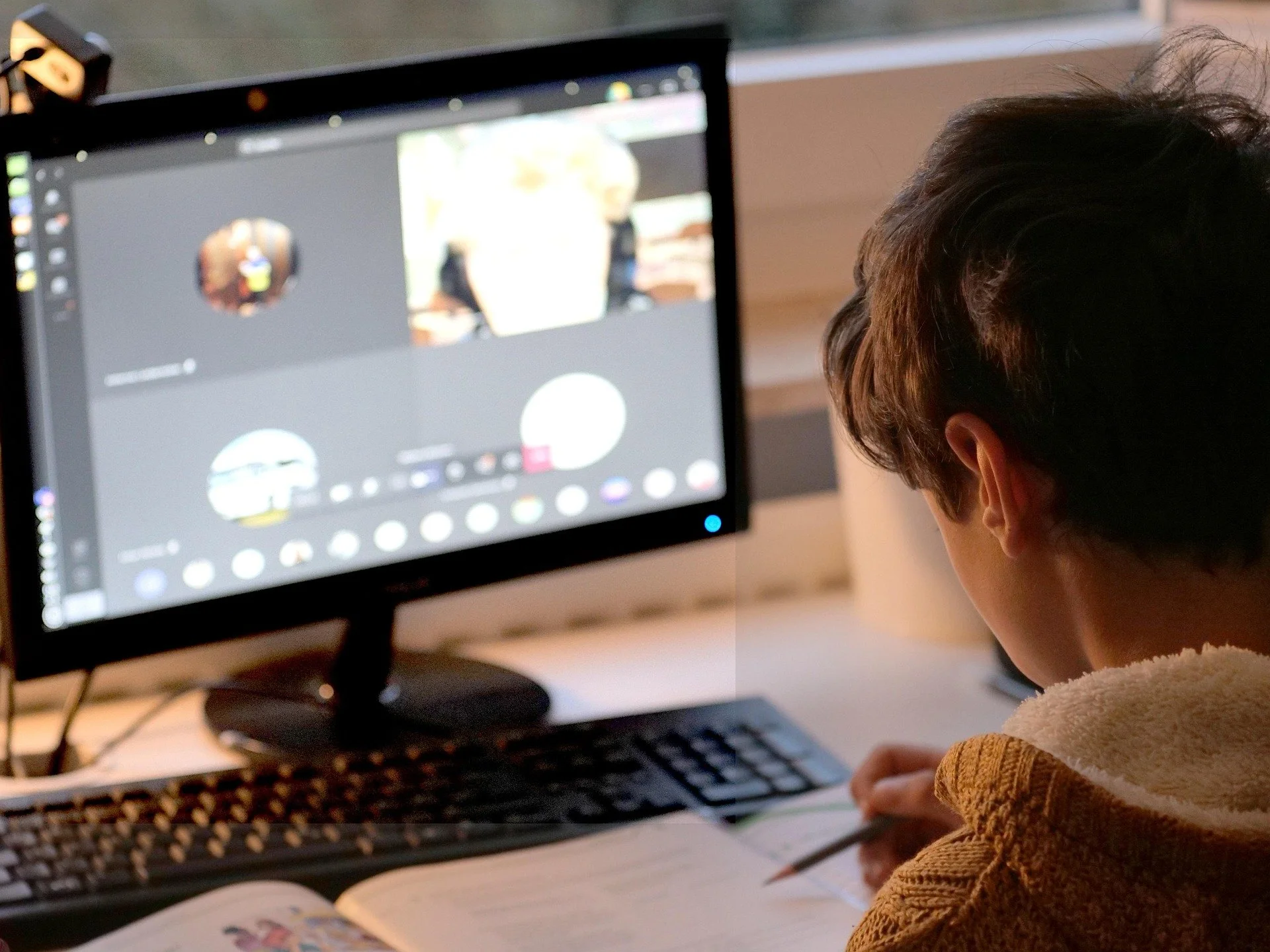
Designing the Online Courses
I developed the structure and logic for a series of online courses that:
introduced students to the school’s learning philosophy
explained the expectations and habits required for success in the program
supported students joining at different entry points to pick up essential concepts
aligned with the school’s non‑traditional STEM curriculum
These courses acted as both orientation and academic bridge — helping students understand how learning worked at the school, before diving into subject‑specific content
LMS Integration & Technical Collaboration
A major part of the work involved partnering with the technical team to ensure the LMS could support the curriculum’s structure. This included:
mapping how the learning model translated into LMS features
designing workflows that matched the school’s pedagogical philosophy
advising on content organization, progression logic, and user pathways
identifying where platform constraints required design adaptations
ensuring the digital experience reinforced, rather than diluted, the school’s innovative approach
This was UX‑driven curriculum design: shaping the learning experience by shaping the system that delivered it.
Outcomes & Impact
The collaboration resulted in:
a coherent set of online courses that introduced and reinforced the school’s learning philosophy
LMS structures that aligned with the curriculum’s logic and supported non‑traditional STEM subjects
improved communication between curriculum and technical teams
a digital experience that reflected the school’s identity and pedagogical intent
The work created a foundation the school could build on as their programme expanded.
Reflection
This project highlighted the importance of designing digital learning experiences that honor the underlying pedagogy. Innovative curriculum models require equally thoughtful digital structures- especially when students join at different points in their learning journey. Working with this school reinforced how powerful it can be when curriculum design and technical development move in sync, shaping an online experience that is both meaningful and usable.